The untimely demise of Michael Jackson, a global icon, serves as a poignant reminder of the fragility of human life. His passing, shrouded in controversy surrounding medical care, underscores the critical role of timely, accurate, and comprehensive patient management in healthcare.

Michael Jackson
Could AI Have Made a Difference?
Imagine if, amidst the chaos of that fateful night, an AI-driven health management system had been in place to monitor vital signs, detect anomalies, and alert medical professionals in real-time. Could it have changed the outcome? This tragic event highlights the transformative potential of AI in revolutionizing how patient health is managed, from monitoring vital signs to providing timely interventions.
The Transformative Potential of AI in Patient Management
AI as a Guardian of Health
In today’s healthcare landscape, AI is a driving force of innovation, offering solutions with the potential to significantly impact patient management. By analyzing vast datasets, AI can identify patterns and predict health risks, enabling proactive interventions that are both timely and precise. Like a vigilant guardian, AI can continuously monitor patient conditions, detect early signs of deterioration, and suggest optimal treatment plans, ensuring that care is delivered when it is most needed.
For example, Michael Jackson’s physician could have potentially leveraged the technological capabilities of AI for more effective management of the medical condition. Ultimately, AI aids in patient management by simplifying administrative tasks, improving patient outcomes, and reducing physician stress, while maintaining the central role of human doctors in medical care (Shuaib, A. 2024).

AI and remote patient monitoring in patient management and home care
Shifting from Reactive to Proactive Healthcare
Understanding how health and illness work is changing healthcare. In the past, doctors treated diseases after they started. Now, we can look at the smallest parts of our bodies to find ways to stop diseases before they even begin. This means we can cure diseases and prevent them, keeping people healthy for longer. We can even help whole communities and countries stay healthy. By focusing on preventing diseases instead of just treating them, we can make the world a healthier place for everyone (Waldman et al., 2019).
AI is driving a shift from reactive to proactive healthcare, where the focus is on preventing illness before it occurs rather than merely responding to it after the fact. This paradigm shift is transforming patient health management by empowering healthcare providers to anticipate health issues and intervene early, thereby improving patient outcomes and quality of life.

Traditional medical diagnosis and management.
Predictive Analytics and Disease Prevention
AI is revolutionizing healthcare by offering valuable insights into patient management. One of its most promising applications is predicting disease onset. By analyzing genetic information, lifestyle factors, and medical history, AI algorithms can identify individuals at high risk for specific conditions before symptoms appear. This allows healthcare providers to proactively implement preventive measures, such as lifestyle changes or targeted screenings, potentially preventing serious illnesses.
AI streamlines administrative tasks, improves clinical decision-making, and enables personalized treatment plans. This leads to better patient outcomes and helps address challenges like resource constraints and complex medical data. Ultimately, AI is transforming healthcare by providing more efficient, effective, and personalized care for patients (Yelne et al., 2023).
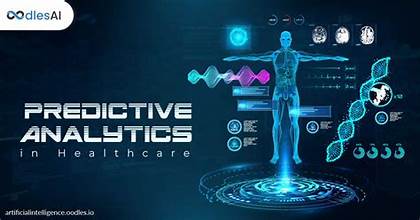
Predictive analytics through AI medical imaging.
Case Study: AI’s Role in Early Disease Detection
In my previous article, How AI is Revolutionizing Treatment Planning in Healthcare, I shared the story of Tunde, a Nigerian lawyer, who struggled with chronic asthma. Despite traditional treatments, his condition deteriorated. An AI-powered system analyzed his medical history and genetic data, creating a personalized treatment plan that significantly improved his recovery and quality of life.
AI’s ability to process vast amounts of data and make real-time adjustments has demonstrated its remarkable accuracy in predicting disease risk. This includes conditions like heart disease, diabetes, and certain cancers. By identifying individuals at high risk, doctors can recommend targeted interventions to reduce the likelihood of developing these diseases, ultimately improving overall health outcomes.
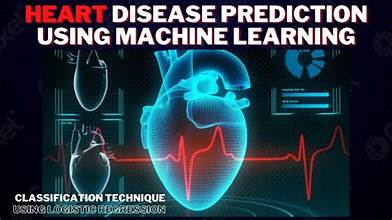
AI uses machine learning algorithms for disease prediction and detection.
AI-Driven Patient Monitoring
Wearable Devices and Real-Time Monitoring
AI-powered wearable devices and sensors are revolutionizing patient monitoring by providing continuous, real-time tracking of vital signs, physical activity levels, and sleep patterns. These devices, such as smartwatches, fitness trackers, and continuous glucose monitors (CGMs), generate a constant stream of data that AI algorithms can analyze to detect abnormalities or changes in a patient’s condition.
For example, AI can be used to identify patterns in heart rate data that may indicate an impending heart attack or to detect early signs of respiratory distress based on changes in breathing patterns. Real-time monitoring devices, like remote patient monitoring (RPM) systems and portable oxygen concentrators (POCs), also play a crucial role in enabling patients to manage their conditions effectively.
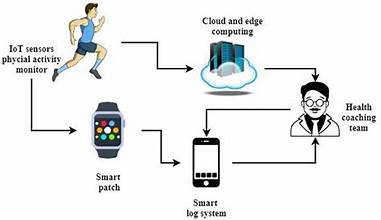
Real-Time Alerts: Ensuring Timely Medical Intervention
When AI detects a potential health issue—such as a sudden drop in oxygen levels or an irregular heartbeat—it can trigger immediate alerts, enabling swift medical intervention. This proactive approach is particularly valuable in managing chronic conditions like heart failure or asthma, where timely responses can significantly improve patient outcomes and reduce hospitalizations.


Real-time medical monitoring and management.
Managing Chronic Conditions with AI
AI’s ability to monitor and manage chronic conditions in real time represents a paradigm shift in patient care. By continuously assessing patient data, AI systems can provide personalized recommendations for treatment adjustments, medication management, and lifestyle changes, offering a level of vigilance and responsiveness that was previously unattainable.
Personalized Treatment with AI
The Rise of Precision Medicine
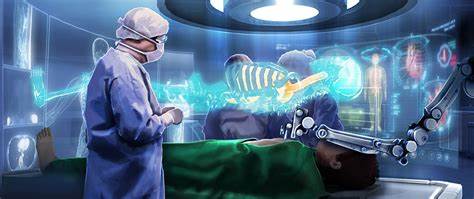
AI is also transforming how treatments are tailored to individual patients. By analyzing a patient’s genetic makeup, medical history, and response to previous therapies, AI can help develop highly personalized treatment plans that are optimized for the individual’s unique needs.
AI can identify the best treatment options based on the specific characteristics of a patient’s medical conditions. This precision medicine approach not only enhances treatment outcomes but also minimizes side effects, ensuring that each patient receives the most appropriate care..
Challenges and Considerations
Addressing Data Privacy Concerns
While the potential of AI in patient health management is immense, challenges such as data privacy must be addressed to fully realize its benefits. Ensuring the protection of sensitive patient data is paramount as AI systems become more integrated into healthcare.
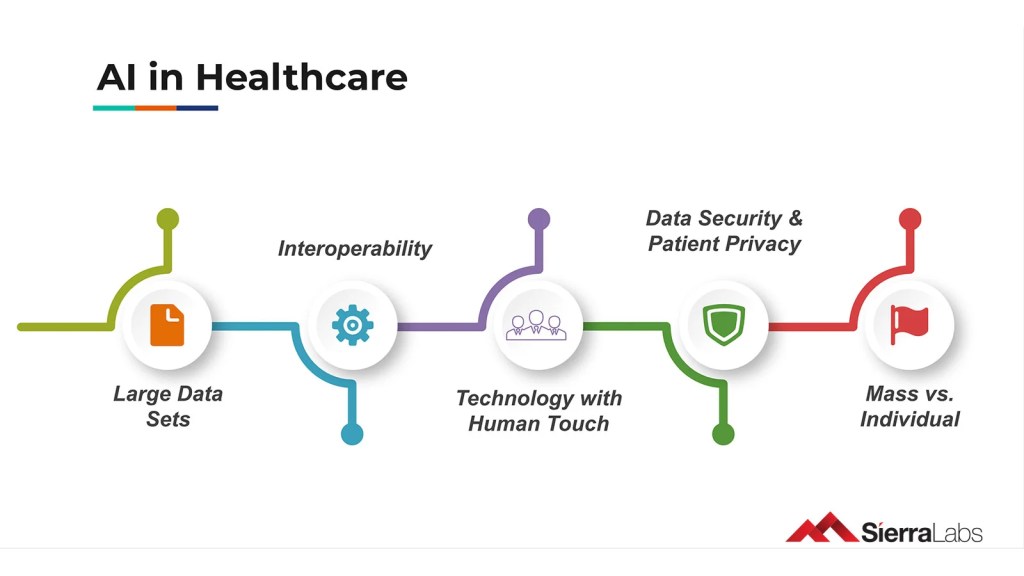
Confronting Algorithmic Bias
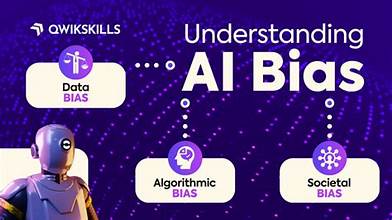
Additionally, the risks of algorithmic bias in AI algorithms pose significant concerns for patient care. Even the most advanced AI systems are influenced by human biases present in their data and programming. Addressing these biases is crucial to ensuring fair and equitable treatment for all patients.
Envisioning the Future of AI in Patient Management
As AI continues to evolve, we can envision a future where patients receive proactive, personalized care that leads to better health outcomes, enhanced well-being, and a higher quality of life. The integration of AI into patient management represents not just a technological advancement but a fundamental shift in how we understand and deliver healthcare, paving the way for a new era of patient empowerment and improved care.
Conclusion: A New Era of Healthcare
The tragic passing of Michael Jackson serves as a stark reminder of the fragility of human life and the crucial role of timely, accurate patient management. While the circumstances of his death remain a somber chapter in history, the event has ignited a renewed focus on the transformative potential of artificial intelligence in revolutionizing patient care.
By leveraging AI’s capabilities in health management, we can move towards a more proactive, patient-centered healthcare system that prioritizes prevention, early intervention, and personalized care. However, the successful integration of AI into healthcare requires careful consideration of ethical and practical challenges, including data privacy, algorithmic bias, and the delicate balance between technology and human judgment. By addressing these issues, we can harness the full potential of AI to create a future where healthcare is more accessible, effective, and compassionate for all.
This marks the final blog post in our three-part series exploring the applications of artificial intelligence in healthcare, written for Skep Foundation. To learn more about Wahab Abayomi Omiwole, a blogger, copywriter, and digital marketer dedicated to crafting impactful content, visit his portfolio: abayomiomiwole.blogspot.com and https://sites.google.com/view/showcasewahab/
Meta Title:
AI in Patient Health Management: From Reactive to Proactive
Meta Description:
Explore how AI transforms patient health management by predicting diseases and enhancing care, shifting healthcare from reactive to proactive, and improving.
Primary Keywords:
AI in healthcare
Patient health management
Predictive analytics in medicine
Secondary Keywords:
AI-driven patient monitoring
Personalized treatment with AI
Proactive healthcare
Long-Tail Keywords:
How AI is revolutionizing patient health management
The role of AI in early disease detection and prevention
Using AI for personalized patient care and treatment plans
Impact of AI on reducing physician burnout and improving patient outcomes
Addressing data privacy and algorithmic bias in AI healthcare systems
References:
Shuaib, A. (2024). Transforming healthcare with AI: Promises, pitfalls, and pathways forward. International Journal of General Medicine, 17, 1765–1771. https://doi.org/10.2147/IJGM.S449598
Waldman, S. A., & Terzic, A. (2019). Health care evolves from reactive to proactive. Clinical pharmacology and therapeutics, 105(1), 10–13. https://doi.org/10.1002/cpt.1295
Yelne, S., Chaudhary, M., Dod, K., Sayyad, A., & Sharma, R. (2023). Harnessing the power of AI: A comprehensive review of its impact and challenges in nursing science and healthcare. Cureus, 15(11), e49252. https://doi.org/10.7759/cureus.49252





 Healthy Life